The Importance of an Arm Guard and Finger Tab for Beginner Archers
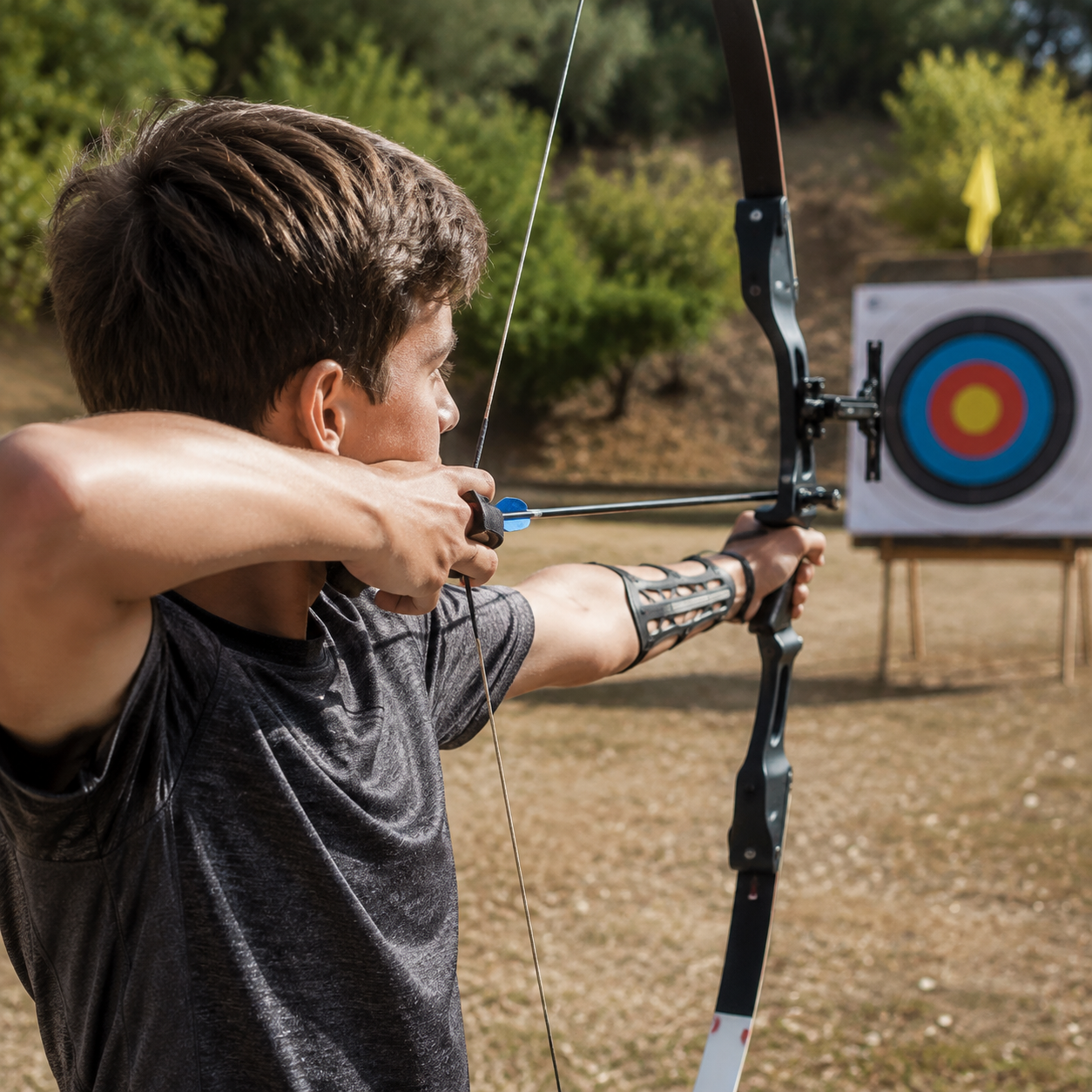
Starting archery involves more than choosing a bow and aiming at a target. The way the bowstring moves, how you hold the bow, and how you release the string all affect comfort and safety. Two simple accessories help beginners manage these demands: an arm guard and a finger tab.
They protect different parts of the body. The arm guard covers the inside of the bow arm, while the finger tab protects the drawing fingers. Used correctly, both can make practice more comfortable and help you focus on repeatable shooting form rather than irritation or fear of contact.
What Are an Arm Guard and Finger Tab?
An arm guard protects the inside of the bow arm from the bowstring, while a finger tab protects the drawing fingers during the draw and release. Each accessory is worn in a different location and solves a different problem.
The arm guard, also called a bracer, fits over the forearm of the arm holding the bow. It usually covers the area between the wrist and elbow, especially the inner forearm where the bowstring can travel after release. Many beginner arm guards use leather, synthetic leather, or flexible plastic with an adjustable strap.
A finger tab is worn on the hand that draws the bowstring. For a traditional or recurve bow, it commonly covers the pads of the index, middle, and ring fingers. The tab sits between the drawing fingers and the bowstring, reducing direct friction as the string is held at the anchor point and released.
These accessories are particularly common with a recurve bow and other bows that use a Mediterranean finger draw. Compound bows may use a mechanical release aid instead, so equipment should match the bow style and instruction you receive.
Why an Arm Guard Matters
An arm guard matters because it shields the bow arm from string slap, the painful contact that can occur when the bowstring brushes or strikes the inside of the forearm after release.
String slap often happens when the bow arm is positioned too far into the path of the string, when the elbow rotates inward, or when a loose sleeve catches the bowstring. Beginners are still developing awareness of their bow arm, so occasional contact is common. A correctly fitted arm guard provides a protective barrier while you learn.
The benefit is practical rather than magical. An arm guard cannot correct poor alignment, and it cannot guarantee that you will never feel contact. It can, however, reduce the severity of minor impacts and prevent clothing from interfering with the string. That makes it easier to continue practicing while an instructor helps refine your form.
Comfort also affects learning. If you expect every shot to hurt your forearm, you may tense the bow arm, shorten the draw, or rush the release. Those reactions make consistent shooting harder. A lightweight arm guard removes one source of hesitation and lets you concentrate on the bow arm, shoulder position, anchor point, and follow-through.
Wear the arm guard on the forearm of the hand holding the bow, not on the drawing arm. Before shooting, check that it covers the likely path of the string without restricting wrist or elbow movement.
Why a Finger Tab Matters
A finger tab matters because it reduces friction and pressure on the drawing fingers, allowing a more comfortable and controlled bowstring release.
When you draw a recurve bow with bare fingers, the bowstring presses against the skin of the fingertips and the first joints. Holding the string briefly at full draw can create soreness, redness, blisters, or small cuts. Repeated shooting increases the problem, especially when a beginner practices several rounds in one session.
The smooth surface of a finger tab lets the bowstring slide away from the drawing fingers more consistently. This supports a cleaner release, but it does not automatically improve accuracy. A tab cannot compensate for plucking the string, collapsing the draw, changing finger pressure, or moving the head away from the anchor point.
Most tabs have a flat protective face and a slot, loop, or separator that keeps the material positioned on the hand. The tab should cover the part of the fingers that contacts the string without bunching between the fingers. Some designs include a finger spacer or shelf, but beginners usually benefit from a simple model that feels comfortable and is easy to position.
Check your drawing fingers after practice. Mild pressure may be normal when learning, but sharp pain, pinching, numbness, or persistent skin damage means you should stop and reassess the tab, draw weight, and release technique.
Arm Guard vs. Finger Tab: Different Jobs, Shared Benefits
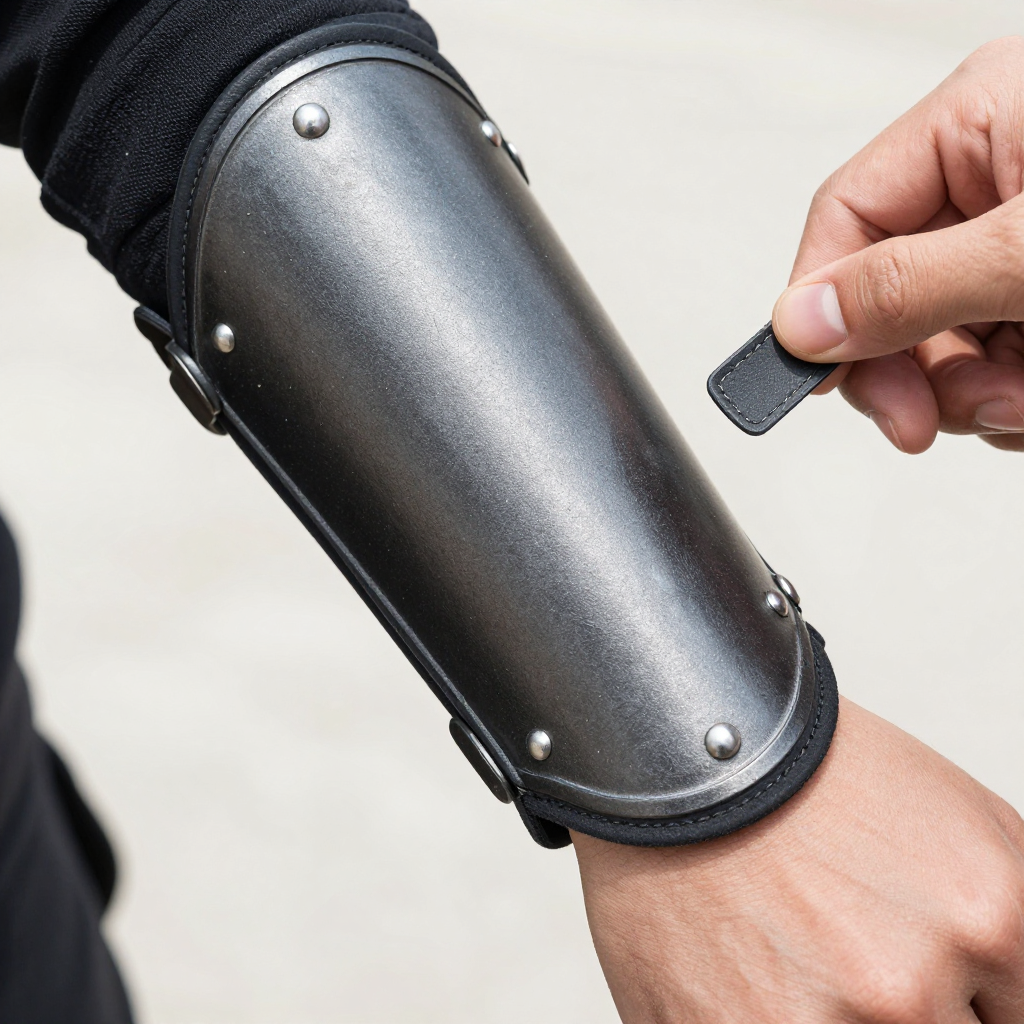
The main difference is location and function: an arm guard protects the bow arm from string contact, while a finger tab protects the drawing fingers from string friction. They work together, so one does not replace the other.
| Accessory | Worn on | Primary purpose | Beginner benefit |
|---|---|---|---|
| Arm guard | Inside of the bow forearm | Reduce the effect of string slap and prevent clothing interference | More confident, comfortable bow-arm practice |
| Finger tab | Drawing fingers | Reduce friction and pressure during the draw and release | Less soreness and a smoother finger release |
The shared benefit is repeatable practice. When your forearm and fingers remain comfortable, you can pay attention to the sequence of the shot: establish a stable stance, raise the bow, draw smoothly, reach the same anchor point, release without plucking, and follow through.
Choosing an arm guard for protection means accepting that it may expose poor bow-arm positioning if it moves or leaves part of the forearm uncovered. Choosing a finger tab for comfort means accepting that you still need to learn correct finger placement and relaxed release mechanics. Protective equipment supports good technique; it does not create it.
How to Choose and Fit Each Accessory
To choose and fit an arm guard and finger tab, prioritize coverage, secure positioning, comfortable movement, and compatibility with your bow and shooting method.
Choosing an arm guard
- Coverage: Select a guard that protects the inner forearm from near the wrist toward the elbow. A larger model offers more coverage, while a smaller one may feel less noticeable.
- Fit: It should stay in place during repeated draws without sliding, pinching, or cutting into the skin.
- Material: Leather is durable and may soften with use. Synthetic materials are often lighter, easier to clean, and less expensive. Rigid plastic can provide firm protection but should not restrict movement.
- Clothing: Test the guard over the sleeve you normally wear. Loose fabric can still catch the bowstring if the guard does not hold it flat.
Choosing a finger tab
- Finger coverage: The tab should cover the drawing fingers that hold the bowstring, with no exposed skin directly under the string.
- Secure positioning: It must remain aligned when you draw and reach your anchor point. A tab that twists changes the contact surface from shot to shot.
- Thickness: A thin tab provides more direct feedback; a thicker one may feel softer but can require adjustment to finger placement.
- Comfort: The edges should not dig into the fingers or create pressure between them. Try several sizes if possible.
Ask a coach or experienced range supervisor to check the fit during a normal shot cycle. A fitting that feels correct while your hand is relaxed may shift once you draw the bowstring fully.
Using Them Correctly During Practice
To use these accessories correctly, position them before nocking the arrow, check their movement through a slow draw, and keep your shooting form relaxed and repeatable.
- Put the arm guard on the bow-arm forearm and fasten it firmly enough to stay in place. Keep the elbow and wrist free to move.
- Place the finger tab on the drawing hand, then confirm that the protective surface covers the fingers beneath the bowstring.
- With an unloaded bow or under an instructor’s direction, make a slow practice draw. Watch for slipping, bunching, or pinching.
- Set your stance and bow grip without squeezing the handle. A relaxed grip helps the bow move naturally after release.
- Draw smoothly to the same anchor point. Do not let the tab or guard encourage you to rush the shot.
- After several arrows, inspect your forearm and fingers. Stop if you notice pain, repeated string contact, numbness, or damaged skin.
Archery safety begins with the range, the bow, and the archer, not with accessories alone. Follow the range commands, use arrows that suit the bow, keep the shooting line clear, and seek basic instruction before increasing draw weight or shooting volume.
Common Beginner Mistakes and Safety Tips
The most common mistakes involve incorrect placement, excessive tightness, ignoring discomfort, and treating protective equipment as a substitute for instruction. Correcting these habits early protects both comfort and progress.
Wearing the arm guard on the wrong arm
Error: A beginner places the guard on the drawing arm or covers only the outside of the forearm. This usually happens because the accessory is treated like general wrist protection. The result is an exposed string path and little useful protection. Place it on the inside of the bow arm and test coverage during a slow draw.
Fastening equipment too tightly
Error: Tight straps or a cramped finger tab can cause pressure marks, restricted movement, or numbness. People often assume tighter means safer. It does not. Secure the accessory so it stays aligned while allowing normal circulation and joint movement.
Ignoring repeated string contact
Error: An archer keeps shooting through sharp pain or frequent string slap. The cause may be bow-arm rotation, an unsuitable sleeve, excessive draw weight, or poor release mechanics. Stop shooting, check the setup with an instructor, and do not use the arm guard to hide a form problem.
Relying on accessories instead of technique
Error: A tab and arm guard create false confidence, so the beginner skips safety instruction or increases practice volume too quickly. Accessories reduce specific risks, but they cannot prevent every injury. Build skill gradually, use an appropriate draw weight, and stop whenever discomfort becomes more than mild pressure.
Frequently Asked Questions
Do beginners need both an arm guard and a finger tab?
Beginners using a finger-drawn bow will usually benefit from both. The arm guard protects the bow forearm, while the finger tab protects the drawing fingers, so each addresses a separate source of discomfort.
Can an arm guard prevent every type of string injury?
No. An arm guard can reduce the effect of contact on the covered forearm, but it cannot prevent injuries caused by poor form, excessive draw weight, equipment failure, or contact elsewhere. Safe handling and instruction remain essential.
How should a finger tab fit?
A finger tab should cover the drawing fingers under the bowstring and stay flat during the draw and release. It should not twist, pinch, expose skin, or interfere with your anchor point.
Can I shoot a bow without a finger tab?
You can physically shoot a finger-drawn bow without a tab, but repeated practice may cause friction and soreness. Beginners should use appropriate protection while learning, especially during longer sessions.
How do I clean and maintain these accessories?
Follow the manufacturer’s instructions. Wipe synthetic guards and tabs with a slightly damp cloth, allow them to dry fully, and keep leather away from prolonged moisture. Inspect straps, stitching, edges, and the tab surface regularly; replace equipment that has become cracked, warped, or unable to stay aligned.
An arm guard and finger tab are small pieces of archery protective equipment, but they solve two real beginner problems. When they fit correctly, they help you practice with less distraction while you build safe handling, a stable anchor point, and consistent shooting form.