Recurve vs. Compound Bow: How to Choose Your First Bow as a Beginner
Choosing your first bow feels like a bigger decision than it actually needs to be. Walk into any archery pro shop and you'll see two dominant options staring back at you: the clean, traditional lines of a recurve bow and the complex, cam-and-cable system of a compound bow. Both shoot arrows. Both can be learned by a complete beginner. But they work differently, feel different, and suit different goals. This guide cuts through the noise so you can make a decision you won't regret.
What's the Real Difference Between a Recurve and a Compound Bow?
The core difference is mechanical. A recurve bow stores and releases energy through the curve of its limbs alone, while a compound bow uses a system of cams, cables, and pulleys to multiply force and reduce the holding weight at full draw.
A recurve bow has two parts you need to know: the riser (the central grip section) and the limbs (the flexible upper and lower arms that curve away from the archer). When you pull the string back, the limbs bend and store energy. The further you draw, the harder you're pulling — there's no mechanical relief. What you feel at full draw is the full draw weight.
A compound bow introduces a concept called let-off. As you reach full draw, the cam system rotates past its peak, and the holding weight drops — often by 65% to 80%. A bow with a 60-pound draw weight might only require you to hold 12 to 21 pounds at full draw. That's a meaningful physical difference, especially when you're new and your muscles aren't yet conditioned for archery.
Both types use an arrow rest to support the arrow during the shot. Both require proper form to shoot accurately. The mechanical complexity of the compound doesn't make it automatically easier to shoot well — it just changes where the physical challenge sits.
Key Factors to Consider Before You Choose
Before picking a bow type, answer five questions about yourself. Your answers will do most of the work.
- Age and physical strength: Younger archers and those with less upper body strength often do better starting with a lower draw weight recurve. Compound bows, despite their let-off, tend to have heavier peak draw weights and stiffer overall builds.
- Budget: A functional beginner recurve setup typically costs less than a comparable compound setup. Compound bows require more accessories out of the box — a release aid, peep sight, and d-loop are near-essential — which adds to the total spend.
- Primary goal: Target shooting and recreational archery at a range? Either works. Hunting? A compound bow is the overwhelming choice among hunters due to its power and let-off. Olympic-style competition? That's recurve territory.
- Practice space: Recurve bows are generally shorter and easier to manage in tighter indoor ranges. Some compound bows have longer axle-to-axle lengths that need more lane space.
- Access to instruction: If you're joining a beginner archery program, check which bow type the program uses. Many structured beginner courses — including those aligned with USA Archery guidelines — start students on recurve equipment.
Why Many Beginners Start with a Recurve Bow
The recurve bow is the most common starting point in structured beginner programs worldwide, and there are practical reasons for that — not just tradition.
First, the setup is simpler. A basic recurve requires minimal accessories to get shooting: the bow itself, a stringer, and arrows. There's no release aid to learn, no peep sight to align, no cam timing to worry about. That simplicity means fewer variables to troubleshoot when something goes wrong with your shot.
Second, recurve bows are easier to size correctly for new archers. Draw length on a recurve is flexible — you can draw it shorter or longer without mechanical consequences. This makes it forgiving for youth archers who are still growing, or for adults who haven't yet identified their natural draw length.
Third, the cost of entry is lower. A solid beginner recurve — riser, limbs, arrow rest, and a set of arrows — can be assembled for significantly less than a comparable compound package. If you try archery and decide it's not for you, the financial loss is smaller.
The honest limitation: because there's no let-off, holding a recurve at full draw takes more sustained muscle effort. Beginners often find their groups (arrow clusters on a target) tighten noticeably as their form and strength develop over the first few months.
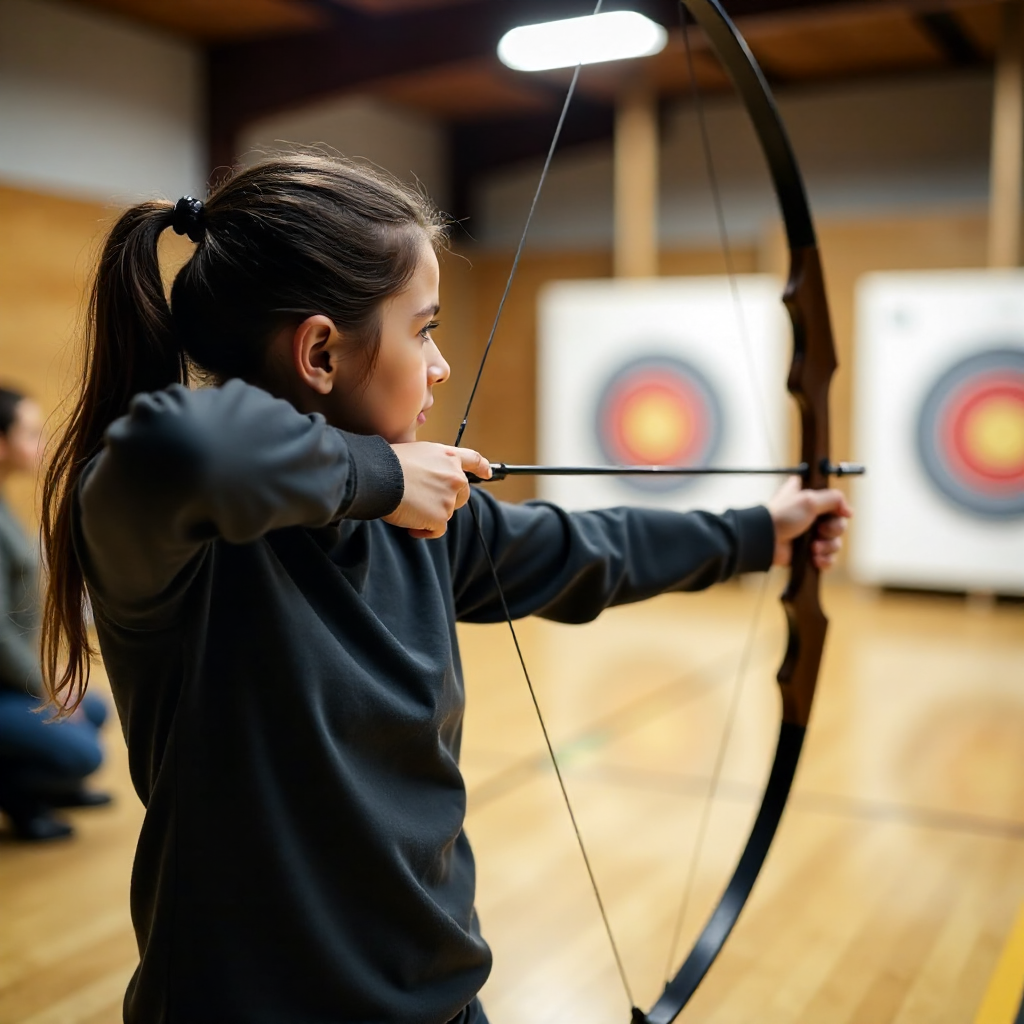
When a Compound Bow Makes More Sense for a First-Timer
A compound bow is the better first choice for beginners whose primary goal is hunting, or who have physical limitations that make holding a recurve at full draw uncomfortable.
The let-off is the key advantage here. When you're new to archery, your shot sequence takes longer — you're thinking about grip, anchor point, sight picture, and breathing all at once. Holding 15 pounds instead of 60 pounds while you work through that process is a real benefit. It reduces fatigue, reduces flinching, and gives you more time to aim without your muscles shaking.
For hunting-oriented beginners, the compound's power and accuracy at longer distances also matters. Most states have minimum draw weight requirements for hunting with a bow, and compound bows reach those thresholds more comfortably at draw weights that still feel manageable for a new shooter.
The trade-off: compound bows are less forgiving of improper setup. Draw length on a compound must be set precisely — usually by a pro shop technician — because the cam system is calibrated to a specific measurement. Buy the wrong draw length online and you may have an unusable bow. That's not a hypothetical risk; it's one of the most common and expensive beginner mistakes in archery.
Understanding Draw Weight and Draw Length — and Why They Matter Most
Draw weight and draw length are the two specs that matter more than any other factor when buying your first bow. Getting either wrong doesn't just affect accuracy — it can lead to poor form, injury, and frustration that ends your archery journey before it starts.
Draw weight is the amount of force (measured in pounds) required to pull the bowstring to full draw. For beginners, the instinct is often to choose a heavier draw weight because it feels more powerful. Resist that instinct. Most experienced instructors recommend starting between 15 and 25 pounds for youth archers and 25 to 35 pounds for adult beginners. You can always move up as your form and strength develop. Starting too heavy causes you to compensate with bad form, which is much harder to unlearn than it is to avoid.
Draw length is the distance from the grip of the bow to the string at full draw, measured in inches. It's determined by your arm span and physical proportions, not by preference. A rough starting estimate: divide your arm span (fingertip to fingertip with arms outstretched) by 2.5. A 70-inch arm span suggests roughly a 28-inch draw length. But this is a starting point — a proper fitting at a pro shop will confirm the right measurement for your body.
Shooting with the wrong draw length causes anchor point problems, inconsistent release, and in some cases, string-slap injuries. It's not a minor inconvenience. For compound bows especially, draw length must be set correctly before the bow is usable.
Safety Basics Every New Archer Should Know Before Shooting Either Bow
Archery is one of the safer sports when practiced correctly, but a few basic rules apply regardless of which bow type you choose.
- Wear an arm guard: String slap on the forearm is the most common beginner injury. An arm guard protects the inside of your bow arm and also helps you identify if your grip or elbow position needs correction.
- Never dry-fire a bow: Releasing a bowstring without an arrow (called dry-firing) can damage both recurve and compound bows, and in some cases cause them to shatter. Always have an arrow nocked before drawing.
- Know the range rules before you shoot: At any archery range, arrows are only retrieved when the range is clear and a signal has been given. Never walk downrange while others are shooting.
- Inspect your equipment before each session: Check limbs for cracks, strings for fraying, and arrows for damage. A cracked arrow can splinter on release and cause serious injury.
- Learn proper form from the start: Bad habits formed early are hard to correct. Even one session with a qualified instructor will save you months of frustration and reduce injury risk significantly.
Where to Buy and How to Get Properly Fitted
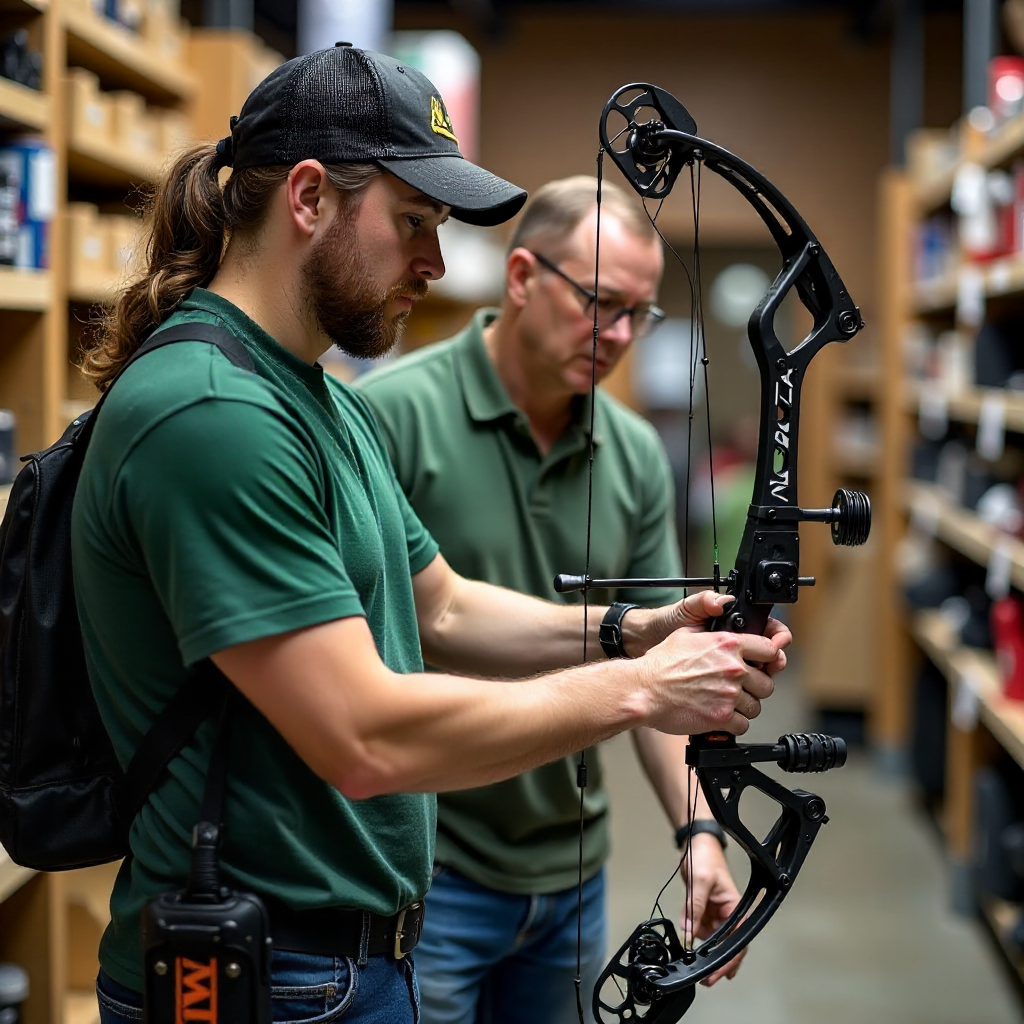
The single best thing a beginner archer can do before spending money on equipment is visit a local archery pro shop for a fitting — not a sporting goods chain, but a dedicated archery retailer with knowledgeable staff.
A pro shop fitting typically takes 30 to 60 minutes. Staff will measure your draw length, assess your dominant eye (which affects bow orientation), ask about your goals, and let you shoot a few different setups. That hands-on time is worth more than hours of online research because it accounts for your specific body and shooting style.
If you're not ready to commit to a purchase, consider joining a beginner archery program first. Many ranges offer introductory courses where equipment is provided. This is the lowest-risk way to try both a recurve and a compound bow before buying either. Programs affiliated with USA Archery often use recurve equipment and follow a structured curriculum designed specifically for new archers.
Buying online without a fitting is possible, but it carries real risk — particularly for compound bows where draw length is fixed. If you do buy online, use the measurements from a prior pro shop visit and stick to bows with adjustable draw length and draw weight ranges. Most quality beginner bows offer 10-pound draw weight adjustments and several inches of draw length adjustment built in.
Frequently Asked Questions
Can a child or teenager use a compound bow as their first bow?
Yes, but draw weight and draw length must be set appropriately for their size. Many compound bows marketed for youth archers have wide adjustment ranges (10–40 lbs draw weight) that grow with the archer. A pro shop fitting is especially important for younger archers.
Is a recurve bow harder to learn than a compound?
Neither is objectively harder — they're different. Recurve bows require more sustained physical effort at full draw. Compound bows require more precision in setup and more accessories to operate correctly. Most beginners find the recurve's simpler setup easier to start with, even if the physical demand is higher.
How much should a beginner spend on their first bow?
A functional beginner recurve setup (bow, arrows, arm guard, finger tab) can run from $100 to $250. A beginner compound setup with necessary accessories typically starts around $300 to $500. Avoid ultra-cheap bows from non-archery retailers — quality control is often poor, and they can be unsafe or unusable.
Can I switch from recurve to compound later without starting over?
Largely yes. Core archery skills — stance, anchor point, aiming, and follow-through — transfer between bow types. The main adjustment is learning to use a mechanical release aid instead of fingers, which takes a few sessions to get comfortable with.
Do I need a coach or instructor before buying my first bow?
You don't strictly need one before buying, but taking even a single lesson before purchasing will help you identify your draw length accurately and avoid buying equipment that doesn't fit. Many beginners who skip this step end up returning or reselling their first bow within a few months.