Top 10 Safety Rules Every Beginner Archer Must Know
Introduction to Archery Safety
Archery safety is critical for beginner archers because improper handling of bows and arrows can cause serious injuries. Understanding and following safety rules helps prevent accidents and ensures a secure, enjoyable experience while developing your skills. Archery involves potential risks like misfires, equipment failure, or unsafe range conditions, making responsible behavior essential.
Starting archery with a strong foundation of safety knowledge not only protects you and others but also builds confidence. This article covers the top 10 archery safety rules every beginner must know to practice safely whether indoors or outdoors.
Rule 1: Always Treat Your Bow as a Loaded Weapon
Beginner archers must always handle their bow as if it is ready to shoot, maintaining a mindset of constant safety awareness. Treating your bow like a loaded weapon means never pointing it at anything other than the target, keeping your finger off the trigger (or string) until ready, and controlling the arrow's direction carefully.
This mindset reduces careless mistakes such as accidental releases or dangerous aiming. It encourages respect for the bow's power and keeps you attentive to your surroundings and equipment. Remember, even a single moment of laxity can have serious consequences with a bow and arrow.
Rule 2: Use Proper Protective Gear
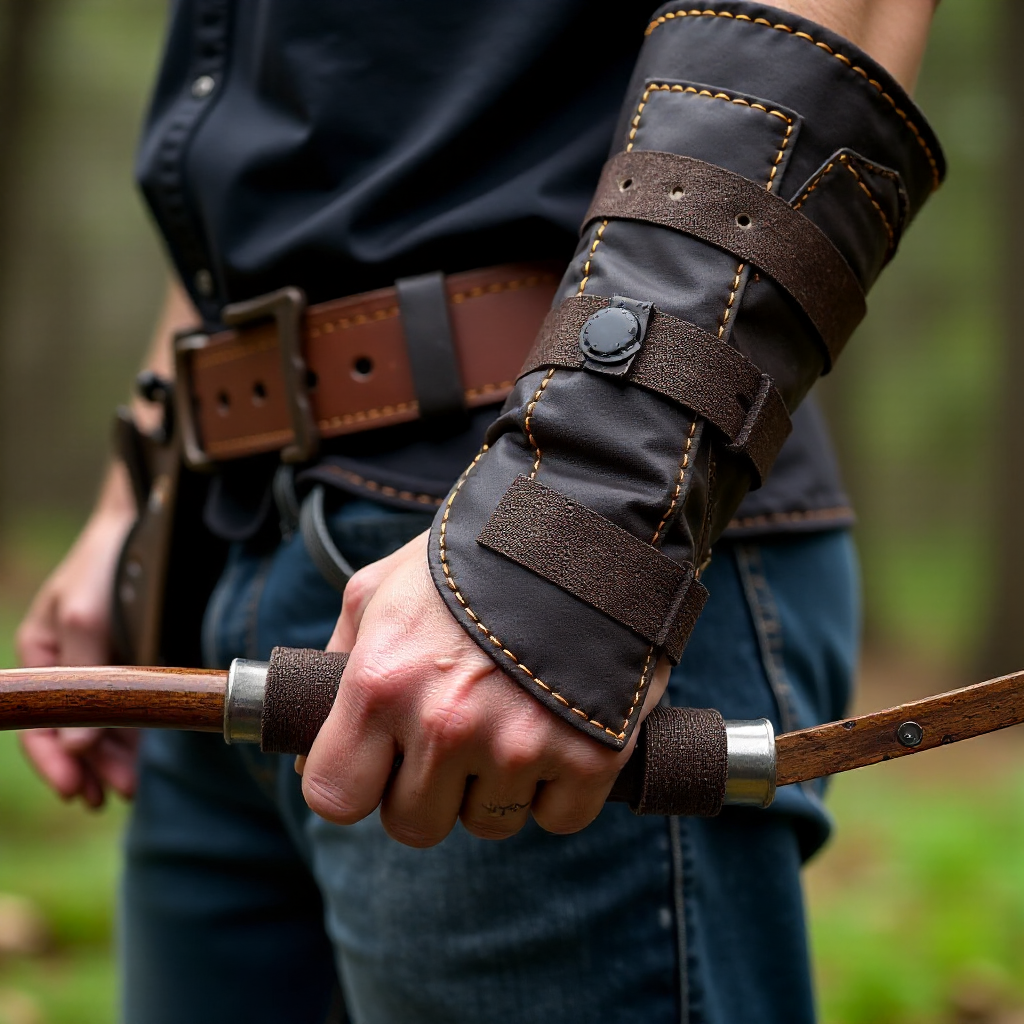
Using the correct protective gear is essential to prevent injury from string slap or arrow mishaps. Beginner archers should always wear an armguard on the bow arm to shield against the bowstring’s snapback, and a finger tab or release aid to protect fingers while drawing and releasing the string.
Additional protective items like chest guards keep clothing tight and prevent interference during shooting. Wearing closed-toe shoes and comfortable, fitted clothing supports safe footing and freedom of movement. Investing in proper protective gear maximizes safety, allowing beginners to focus on learning with confidence.
Rule 3: Inspect Your Equipment Before Each Use
Checking your bow and arrows for damage or wear before every shooting session prevents equipment failure that can cause accidents. Look closely for cracks in the bow limbs, frayed bowstrings, or loose fittings. Inspect arrows for straightness, intact fletching, and undamaged tips.
Many beginner archers overlook equipment maintenance, but it’s vital. Damaged gear reduces accuracy and increases the chance of arrows breaking upon release. Replace or repair worn parts promptly, and always use the correct arrows matched to your bow’s draw weight. This habit extends your equipment’s life and safeguards your safety.
Rule 4: Follow Range Rules and Commands
Adhering to shooting range etiquette and commands is crucial for coordinated, safe practice with others. Common range commands include phrases like "Clear to shoot," "Cease fire," and "Retrieve arrows." Always wait for the official signal before shooting or approaching the target line.
Range rules often specify shooting lanes, shooting order, and behavior around others. Beginners should listen carefully to range officers or instructors and never disrupt the flow. Understanding and respecting these protocols ensures all archers remain safe and focused without confusion or unexpected distractions.
Rule 5: Maintain a Safe Shooting Environment
Setting up a safe shooting area involves proper target placement, reliable backstops, and clear boundaries where no one enters accidentally. Place targets on sturdy stands and use a dense backdrop, such as a thick foam or hay bale wall, to stop stray arrows.
Ensure the shooting lane is clear of obstacles and that the area behind the target is free of people, pets, or vehicles. Outdoors, avoid shooting near roads or public spaces. Indoors, use archery ranges designed to contain arrows safely. Maintaining awareness of your environment reduces the risk of unintended injury or property damage.
Rule 6: Never Dry Fire Your Bow
Dry firing means releasing the bowstring without an arrow loaded, which is extremely hazardous. Beginner archers must never perform a dry fire since it can cause significant damage to the bow’s limbs or string and potentially injure the shooter.
When the bowstring is released without the arrow’s resistance, the energy doesn’t transfer properly, causing the bow to shock vibrate. This can lead to split limbs or snapped strings. Always ensure an arrow is nocked before drawing and releasing the string. Preventing dry fires helps preserve your equipment and safety.
Rule 7: Only Point Arrows at the Target
A fundamental rule for beginner archers is to only aim arrows at the designated target. Never point a nocked arrow at anything other than a secure, approved target area. Avoid pointing arrows at people, animals, or unintended objects even as a joke.
This rule helps prevent accidental injuries caused by negligent aiming. Always be conscious of your bow’s direction whether fully drawn or at rest. Before drawing, look downrange and confirm a clear, safe path. Practicing responsible aiming builds lifelong habits of safety and respect.
Rule 8: Communicate Clearly with Others on Range
Clear communication among archers on a shared range is essential to prevent misunderstandings and ensure safety. Use agreed-upon verbal commands and hand signals to indicate when it is safe or unsafe to shoot or collect arrows.
Establish norms like confirming "cease fire" to stop shooting immediately. When approaching targets, announce your movement so others are aware. This two-way communication minimizes risks of being in someone's line of fire unexpectedly and fosters a cooperative shooting environment.
Rule 9: Store Equipment Safely When Not in Use
Proper storage of bows, arrows, and accessories protects your gear and prevents accidents at home or the range. Keep bows unstrung or properly secured in cases to relieve tension on the limbs. Store arrows in a quiver or rack to avoid damaged fletching or broken shafts.
Place equipment in a dry, cool location away from children or pets. Avoid laying bows on the floor or leaning them unsecured, which can cause tripping hazards or accidental damage. Regularly cleaning and storing gear ensures it remains safe and ready for use.
Rule 10: Know What To Do in Case of Emergency
Every beginner archer should be prepared for basic emergency situations such as minor cuts or more serious injuries. Familiarize yourself with first aid procedures like stopping bleeding, cleaning wounds, and applying bandages. Keep a first aid kit accessible near the range.
Understand the emergency protocols of your facility and know how to contact medical help if needed. Prompt action in injury events reduces complications. Practicing safe archery also means planning for unexpected incidents responsibly.
Conclusion
Following these top 10 archery safety rules lays the foundation for a secure and enjoyable beginner archery experience. From treating your bow like a loaded weapon to knowing emergency steps, each rule reinforces responsibility and respect for the sport. Safety not only protects you and others but also enhances your ability to learn and improve.
Remember, practicing archery safely requires consistent attention to equipment, environment, communication, and personal conduct. By integrating these principles, beginner archers can confidently pursue their passion while minimizing risks.
Frequently Asked Questions
What protective gear is essential for beginners?
Beginners should always use an armguard to protect the forearm from string slap and a finger tab or mechanical release aid to shield fingers during shooting. Optional protective gear includes chest guards and safety glasses for added security.
How can I safely set up an archery target at home?
Choose a sturdy target butt and place it on a flat surface with a thick, secure backdrop such as foam, hay bales, or commercial arrow stops behind it. Ensure the shooting area is free from foot traffic and that no one can accidentally enter the shooting lane.
What should I do if an arrow breaks during shooting?
If an arrow breaks, immediately stop shooting and clear the range. Carefully collect all broken fragments to prevent injury from sharp edges. Inspect other arrows for damage before resuming shooting, and replace any compromised arrows.
Can I practice archery safely indoors?
Indoor archery can be safe when practiced in facilities designed with proper backstops, controlled lanes, and clear range commands. Home indoor practice requires rigorous safety measures including secure backstops and strict access control to prevent accidental injury.
What are common beginner mistakes to avoid regarding safety?
Common mistakes include dry firing the bow, failing to wear protective gear, not checking equipment for damage, ignoring range commands, and aiming carelessly. Avoiding these errors significantly reduces injury risk and fosters good habits.
 Learn more about archery equipment on Wikipedia.