The Ultimate Guide to Starting Archery: Your First Steps
Understanding Archery Basics
Archery basics are the fundamental concepts and terminology every beginner must know before picking up a bow. Understanding these will build a strong foundation for safe and confident shooting.
At its core, archery is the sport or skill of shooting arrows with a bow toward a target. Key terms include the bow, which propels the arrow; the arrow itself; the bowstring; and the target, often marked with concentric rings of scoring zones. The bow draw weight measures how much force is needed to pull back the bowstring, which impacts arrow speed and accuracy.
Beginners should familiarize themselves with various archery equipment like recurve bows, compound bows, and traditional longbows, each offering different shooting experiences. Knowing parts like the grip, limbs, riser, and arrow rest also helps when setting up or adjusting gear.
By learning about the shooting cycle—raising the bow, drawing the string, anchoring the draw, aiming, and releasing—novices gain clarity on the step-by-step process vital to archery success. Starting with these basics ensures that beginners develop good habits right away.
Essential Safety Tips for Beginner Archers
Beginner archery safety starts with clear rules to protect yourself and others when shooting. Prioritizing safe habits from the outset reduces the risk of accidents and fosters responsible archery practice.
Always shoot only at designated archery targets on approved ranges. Never dry-fire a bow (releasing the string without an arrow) as this can damage equipment and cause injury. Ensure your shooting area is clear behind the target to catch stray arrows, and never point a bow at anyone, loaded or unloaded.
Wearing protective gear like an armguard shields your forearm from string slap, while finger tabs or gloves protect your fingers during the draw. Inspect your equipment regularly for cracks or damage that could lead to equipment failure.
Follow archery range etiquette closely: wait for the "all clear" signal before walking downrange to retrieve arrows, and only nock an arrow when it is your turn to shoot. These rules keep the range safe and organized.
Choosing Your First Archery Equipment
Choosing your first archery equipment means selecting beginner-friendly gear that suits your size, strength, and budget. The right bow and arrows make learning easier and more enjoyable.
Start with a lightweight recurve bow designed for beginners, with a bow draw weight between 15 and 25 pounds to allow comfortable drawing without strain. Avoid high draw weights early on, as they increase fatigue and risk poor form.
Select arrows that match your bow’s draw length and weight specifications—this ensures safe, consistent shooting. Begin with simple aluminum or carbon arrows, which offer durability and affordability.
Don’t overlook accessories like a reliable armguard to prevent string slap injuries, a finger tab or shooting glove for finger comfort, and a quiver to safely hold your arrows. Investing in these basics supports safe, efficient practice.
Visiting a knowledgeable archery pro shop for personalized fitting or advice can save time and set you up for success. Beginner kits often bundle bows, arrows, and protective gear at reasonable prices and are a good starting point.
Mastering the Proper Shooting Stance and Form
Proper shooting stance and form provide the stability and consistency required for accurate archery. Mastering these fundamentals early minimizes bad habits that can hamper progress.
Stand perpendicular to the target, with feet shoulder-width apart and your weight evenly distributed. This balanced position, known as the square stance, forms a strong foundation. Some beginners try the open stance, which angles the front foot slightly toward the target to improve comfort and alignment.
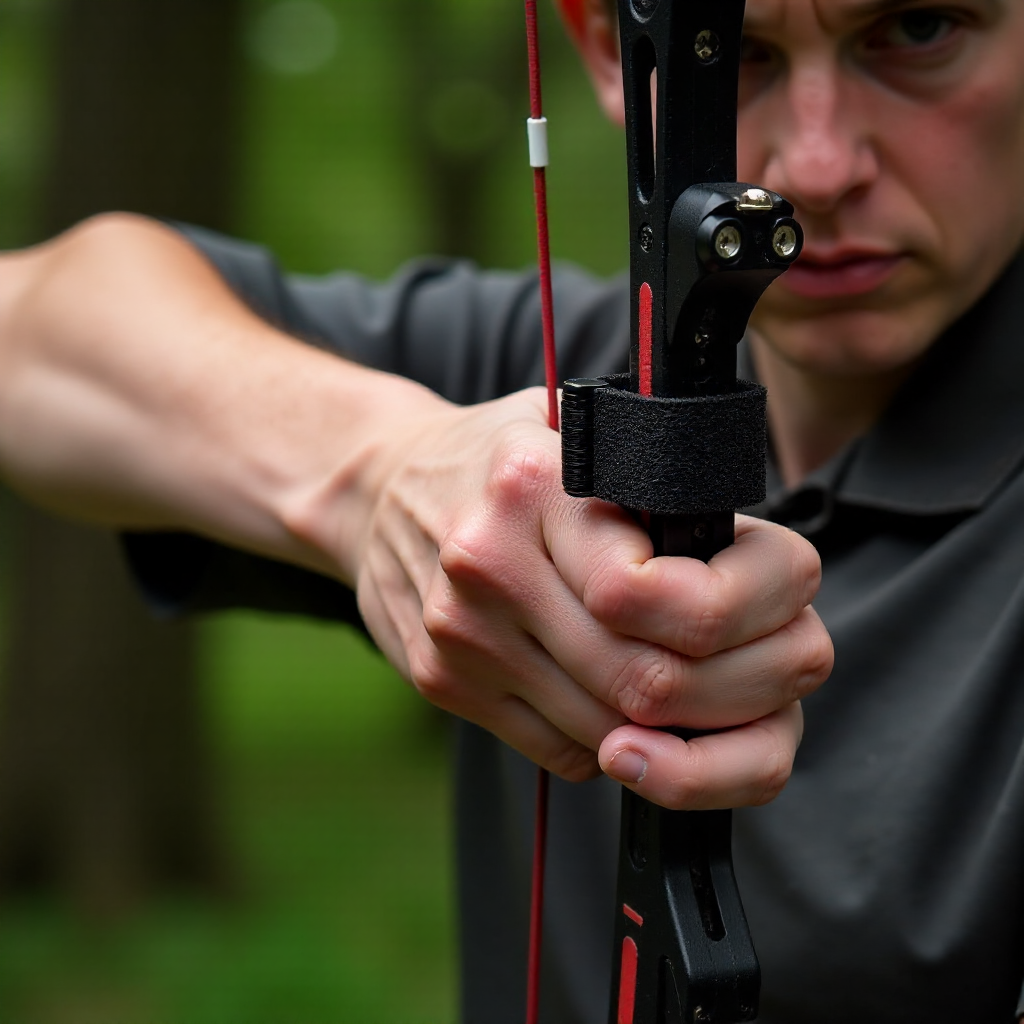
Hold the bow firmly but relaxed in your non-dominant hand, keeping your bow arm straight but not rigid. Draw the bowstring smoothly to your face, anchoring your draw hand at a consistent point—often near the corner of your mouth or chin—for repeatable accuracy.
Keep your shoulders level and your back engaged while aiming. Control your breathing to stabilize your shot and release the string cleanly without jerking. Repeating these mechanics builds muscle memory crucial to improving your shooting form.
Getting Started with Archery Practice
Starting archery practice involves simple drills and exercises to develop focus, strength, and accuracy. Consistent practice accelerates progress and builds confidence.
Begin with short-distance shooting at a large archery target, around 10 to 15 yards, to build accuracy fundamentals. Use drills like shooting a fixed number of arrows aiming for the center or focusing on grouping arrows close together.
Incorporate strength-building exercises for your back, shoulders, and arms outside of shooting to improve your draw endurance. Consistent warm-ups and cooldowns prevent injuries.
Try blank bale shooting, where you shoot arrows into a foam block without a target, to concentrate on form without worrying about aiming. This drill reinforces muscle memory and release technique.
Track your progress by noting how many arrows consistently hit the target zones and set small goals like improving grouping or expanding shooting distance gradually.
Navigating Archery Range Etiquette
Archery range etiquette helps create a respectful, safe shooting environment for everyone. Following these guidelines is essential when sharing space with other archers.
Always wait for the range officer’s signal before shooting or walking downrange to retrieve arrows. Shoot only from designated shooting lines and respect lane assignments. Never nock or draw an arrow unless you have a clear shooting lane and the range is "live."
Communicate clearly with fellow archers using standard commands such as "line is hot" when shooting and "line is cold" when it’s safe to approach targets. Keep noise levels low to help others focus.
Clean up your shooting area, picking up loose arrows and trash. Handle equipment respectfully, and help beginners adjust or understand procedures. Good etiquette ensures everyone enjoys archery safely and fairly.
Next Steps: Building Your Archery Journey
Building your archery journey means slowly progressing beyond beginner basics by practicing regularly, refining technique, and exploring new equipment as skills improve.
Set a consistent practice schedule—aiming for 2 to 3 sessions per week—to reinforce good habits without burnout. As your strength grows, gradually increase your bow’s draw weight to shoot farther and with more power.
Consider joining an archery club or participating in beginner leagues to gain experience shooting in different settings and meet fellow archers. Traveling to varied ranges also broadens adaptability.
Keep exploring your equipment choices: add sights, stabilizers, or try different bow types later on. But always prioritize fundamental form and safety over gadgets.
Archery is a lifelong sport where progress comes from patience, practice, and passion. With a solid foundation in basics, safety, and equipment, your first steps will lead to years of rewarding skill development.
Frequently Asked Questions (FAQ)
What type of bow is best for beginners?
A recurve bow with a low draw weight (15-25 pounds) is generally best for beginners because it is simple, versatile, and easy to maintain. It allows new archers to focus on developing proper form without excessive strength requirements.
How do I ensure safety while shooting?
Ensure safety by never shooting outside designated ranges, always wearing protective gear like armguards, following range commands, and inspecting equipment before use. Never shoot when others are downrange.
How often should beginner archers practice?
Practicing approximately 2 to 3 times per week balances skill improvement with physical recovery. Short, focused sessions emphasizing form and consistency are better than infrequent, long sessions.
What are the common mistakes to avoid in archery?
- Poor stance and form: Leading to inconsistent shots.
- Using too high a draw weight: Causing fatigue and improper technique.
- Ignoring safety rules: Risking injury to self or others.
- Neglecting equipment maintenance: Which can cause failure or inaccurate shooting.
How do I maintain my archery equipment?
Maintain your archery equipment by regularly checking for cracks or wear, keeping the bowstring waxed and clean, storing gear in a dry, cool place, and replacing arrows or accessories as needed. Proper care extends your equipment’s lifespan and performance.