Common Archery Mistakes Beginners Make—and How to Fix Them
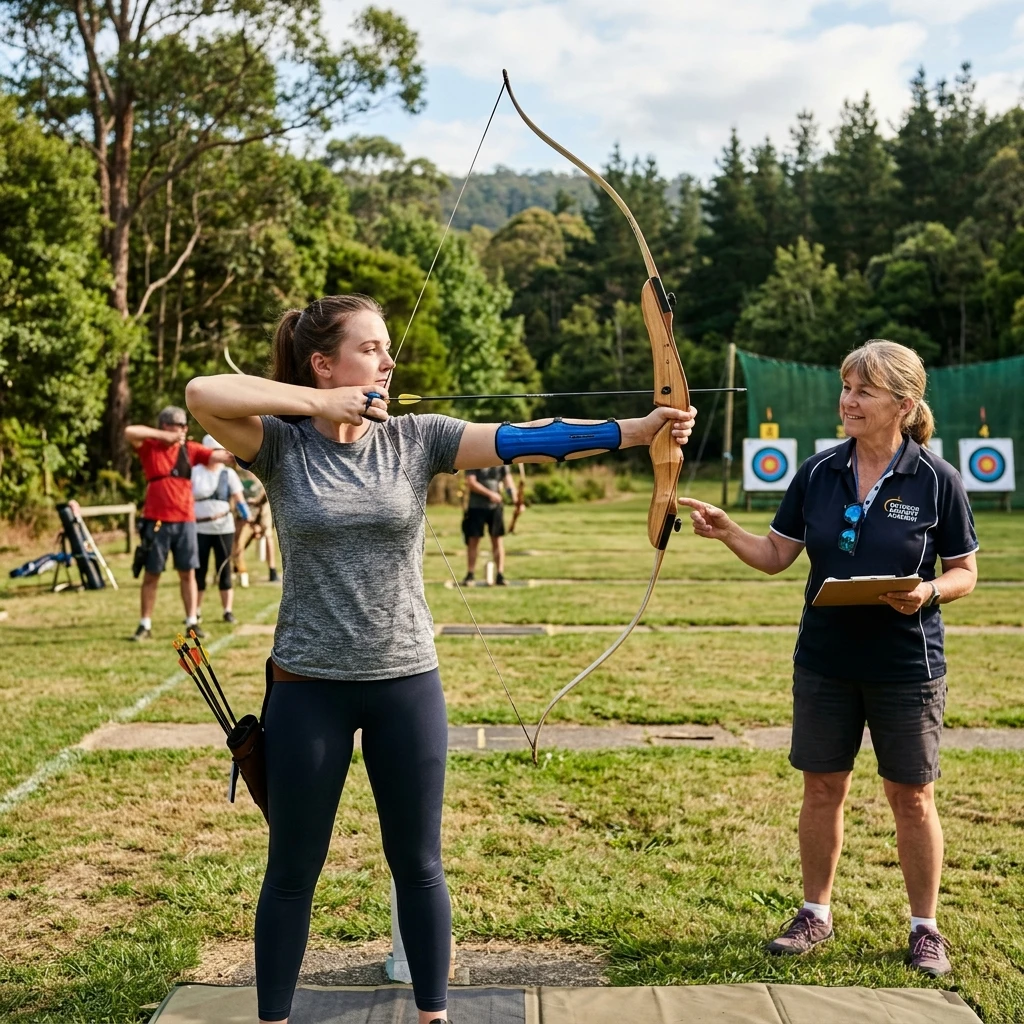
When arrows land in different places, it is tempting to blame your aim or buy new equipment. Beginners usually make faster progress by checking the basics first: safe setup, repeatable form, and a calm shot sequence. Small changes in stance, bow grip, anchor point, or release can shift an arrow more than expected.
Use the fixes below as general guidance, not rigid rules. Technique varies between recurve, compound, and traditional bows, so follow your instructor’s advice and your range’s safety procedures.
Start with safety and a suitable setup
Safe archery starts with following range rules and using a bow that fits your strength and experience. A manageable draw weight helps you learn sound form without straining or rushing.
Before shooting, confirm that the range is clear, point the bow only toward the target, and retrieve arrows only when the range is declared safe. Check that your arrows are the correct length and type for your bow, and that the bow and string are in good condition. If you are unsure about equipment, ask a qualified instructor or pro shop rather than guessing.
A common beginner mistake is choosing a high draw weight because it seems like the quickest route to power. In practice, a bow that is too heavy can cause shaking, shortened draws, poor alignment, and discomfort. You should be able to draw and hold the bow under control while maintaining your form. If you cannot, stop and ask for help selecting a suitable setup.
Practice cue: Before every end, check three things: the range is clear, your equipment is sound, and you can draw the bow smoothly without pain.
Build a stable stance and relaxed grip
A stable stance and relaxed bow grip give you a repeatable base for each shot. Tension in your shoulders, hands, or torso can disturb balance and send arrows off line.
Stand with your feet in a comfortable, balanced position, roughly shoulder-width apart. Your exact stance depends on your bow style and instruction, but avoid leaning toward the target or locking your knees. Keep your upper body upright and relaxed. If you feel yourself swaying, reset your feet rather than correcting your balance mid-shot.
Beginners often squeeze the bow handle tightly, expecting a firmer grip to improve control. That pressure can torque the bow as the string releases. Instead, let the handle rest against the base of your thumb and keep your fingers relaxed. Use a finger sling only if your instructor has shown you how; do not improvise one.
Likewise, avoid lifting your shoulder toward your ear. Keep the bow shoulder low and comfortable, without forcing it into an extreme position. If you feel sharp or increasing pain, stop shooting and get qualified guidance.
Practice cue: Set your feet, soften your knees, lower your bow shoulder, and let the bow hand stay quiet.
Make your draw and anchor point repeatable
A repeatable draw and anchor point help place the string and your body in the same position for every shot. Inconsistent draw length or facial contact changes the launch, even when your sight picture looks similar.
The anchor point is the consistent place where your drawing hand or string comes into contact with your face, depending on your bow style. Recurve archers may use a reference at the jaw or mouth; compound and traditional techniques differ. Follow the method taught for your equipment rather than copying another archer’s anchor.
A frequent mistake is drawing to a different point each time, or releasing before the anchor is settled. Build a simple sequence: raise the bow, draw smoothly, reach your taught anchor, confirm alignment, then release when the shot feels controlled. Do not pull the string farther just to make the sight or arrow look more centered.
Use a blank target face at close range if your instructor approves. Focus on reaching the same anchor and holding steady, not on scoring. A mirror or coach can help spot changes in head position and draw length. Never dry-fire a bow; releasing the string without an arrow can damage equipment and cause injury.
Practice cue: Say “draw, anchor, settle” quietly to yourself, and reset if one step feels different.
Align, aim, and release without forcing the shot
Good alignment, a calm aim, and a clean release work together; forcing any one of them often disrupts the shot. Keep the string picture and follow-through consistent rather than trying to steer the arrow at the last second.
String alignment is the relationship between the bowstring and your sight, riser, or another reference point. The correct reference varies by bow and archer, so use the one your instructor recommends. If you change head position or lean to make the string line up, you may create a different problem. Set your posture first, then use a consistent visual reference.
Another common error is over-aiming. Beginners may hold at the target until their arm tires, then snatch the release. Give yourself a reasonable window to settle; if the shot is not coming together, let down safely and start again. On a recurve, avoid plucking the string sideways with your fingers. On a compound, use the release aid as taught and keep your hand and wrist relaxed.
After release, keep your bow arm directed toward the target and your drawing hand moving naturally along its path. This follow-through helps prevent you from collapsing or moving early to see where the arrow went. Breathe normally and use a steady exhale; holding your breath can add tension.
Practice cue: Aim, release smoothly, and stay in position until the arrow hits. If you cannot hold comfortably, let down rather than forcing the shot.
Avoid rushing practice or changing too many things at once
Focused practice beats firing many arrows with tired, inconsistent form. Work on one change at a time so you can tell what helps and what needs more attention.
A useful beginner session can be organized around a single goal, such as a stable stance or a consistent anchor. Start at a distance where you can shoot safely and concentrate on technique. Take short breaks, and end the session if fatigue changes your posture, grip, or control. More arrows are not automatically better practice.
When groups are inconsistent, avoid changing your stance, sight, draw, and release all at once. First look for a repeatable pattern: are you moving your head, gripping harder, or releasing differently? Make one small adjustment, shoot a few controlled ends, and record what changed. Equipment changes may be needed eventually, but they cannot compensate for a bow that does not fit or a technique you have not yet made consistent.
- One session, one priority: Choose a single form cue before you begin.
- Reset when needed: Let down and start over if your draw or anchor feels wrong.
- Stop for fatigue or pain: Do not turn discomfort into a practice goal.
This approach may feel slower than chasing a tight group right away. It gives you clearer feedback and makes useful habits easier to repeat.
Know when to ask for coaching
A qualified archery instructor can identify form, safety, and equipment problems that are difficult to diagnose alone. Seek help early if you are unsure about your setup, your technique causes pain, or your shots remain inconsistent despite careful practice.
Ask for feedback if you cannot draw the bow smoothly, struggle to reach a stable anchor, feel shoulder or hand pain, or are uncertain whether your arrows suit your bow. Stop shooting when something hurts or feels unsafe. Persistent pain, numbness, or an injury deserves medical advice as well as a review of your technique.
Coaching is useful even when nothing seems seriously wrong. A short session can help you check stance, bow grip, nocking the arrow correctly, draw sequence, string alignment, and release. Beginners often benefit most from one clear correction at a time, followed by supervised practice to see whether it feels comfortable and repeatable.
Choose an instructor who understands your bow type and teaches range safety as part of technique. Avoid advice that asks you to push through pain or copy a form position that does not fit your body.
Frequently asked questions
Beginner archery questions often come down to consistency, comfort, and equipment fit. These quick checks can help you decide what to adjust and when to ask for instruction.
Why do my arrows land in different places?
Different arrow impact points can come from changes in stance, draw length, anchor point, bow grip, release, or fatigue. Shoot at a safe, manageable distance and focus on one part of your sequence at a time. If the pattern persists, ask an instructor to observe your form and check that your equipment is appropriate.
How tight should I grip the bow?
Keep your bow hand relaxed and let the handle rest securely against it, without squeezing or twisting. The precise hand position depends on your bow and coaching method. A relaxed grip reduces the chance of torquing the bow during release.
How can I tell if my bow’s draw weight is too high?
If you cannot draw smoothly, hold your position with control, or maintain alignment without shaking or pain, the draw weight may be too high for your current strength or experience. Stop rather than forcing repetitions, and ask an instructor or reputable pro shop to assess the fit.
Should beginners use a sight?
A sight can help some beginners aim consistently, but it does not fix stance, anchor, or release problems. Whether to use one depends on your bow style, goals, and instruction. Learn a repeatable shot process first, then use a sight if it suits your setup and the rules of your intended discipline.